Filter by attributes
Recently viewed products

Wildflowers
Sort by
Display
per page
View as
209 products found
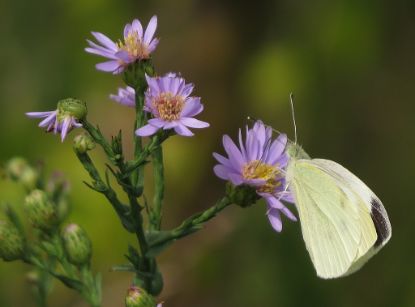
Smooth Aster (Symphyotrichum laeve)
Another wonderful, medium height aster to support pollinators in the fall. Nice, upright structure. Common name "smooth aster" comes from the texture of the shiny, hairless leaves. Attracts many bees and butterflies, and songbirds and small mammals eat the seeds.
In stock
$6.25
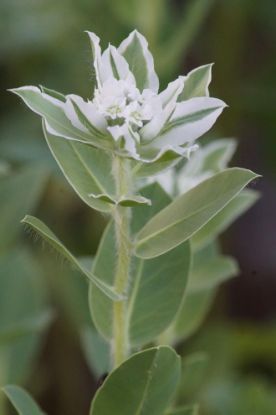
Snow on the Mountain (Euphorbia marginata)
Annual, so allow to reseed. May cause skin irritation. Not preferred by deer or rabbits.
Out of stock
$6.25
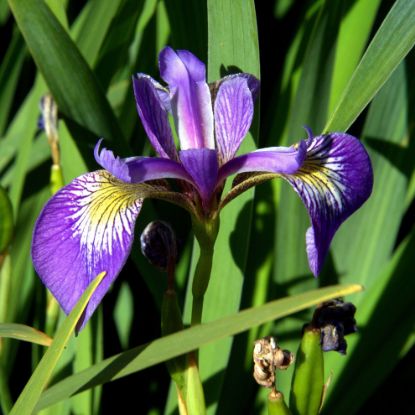
Southern Blue Flag Iris (Iris virginica)
Great plant for your water garden. Does best in full sun, in consistently moist, organic soils. Slowly spreads by rhizomes; can divide when plant gets over crowded.
In stock
$6.25
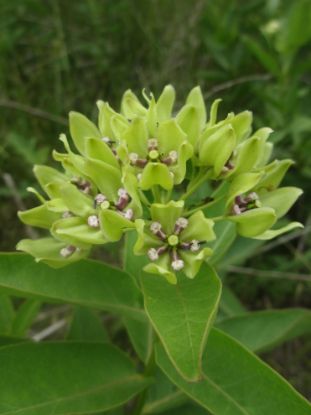
Spider Milkweed (Asclepias viridis)
Very tolerant of dry conditions. Tracy’s favorite milkweed. May bloom again in fall if you cut it back after the first bloom.
Limited quantity
$6.25
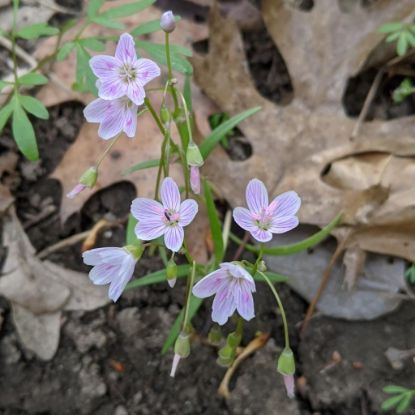
Spring Beauty (Claytonia virginica)
One of the earliest spring ephemerals (meaning it will disappear and go dormant after setting seed). Prefers rich, organic, moist but well-drained soil. Corms eaten by Native Americans and some rodents. Early source of food for several bee species.
Currently not available
$6.25
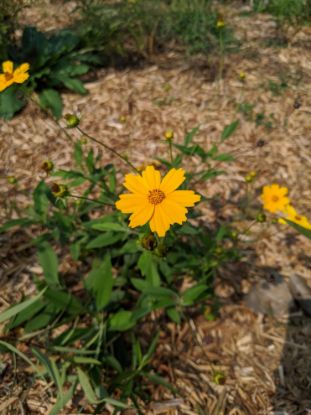
Star Coreopsis (Coreopsis pubescens)
Grows well in poor soil as long as it drains well - likes it dry. Can tolerate more shade than other coreopsis. Best if divided every 2-3 years.
In stock
$6.25
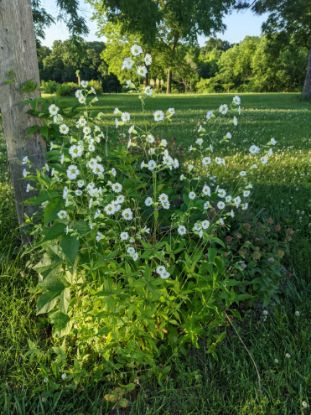
Starry Campion (Silene stellata)
Plant in well drained soil. Mostly pollinated by moths. Flowers open fully at nighttime and usually close at midday. Not preferred by most mammals.
Limited quantity
$6.25
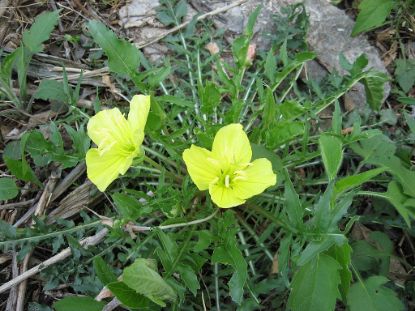
Stemless Evening Primrose (Oenothera triloba)
An annual primrose with a showy flower for a rock garden or other dry, sunny area. Careful not to confuse its leaves with a dandelion or a lettuce.
Currently not available
$6.25
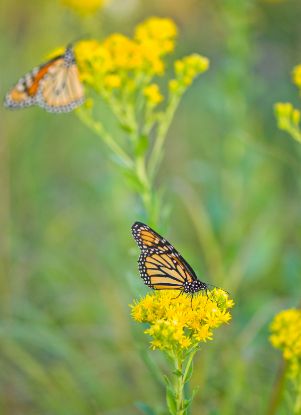
Stiff Goldenrod (Oligoneuron rigidum)
Great for pollinators. One of the biggest flowers among the goldenrods. Tolerates most soil conditions. Remove seed heads to keep from spreading aggressively.
In stock
$6.25
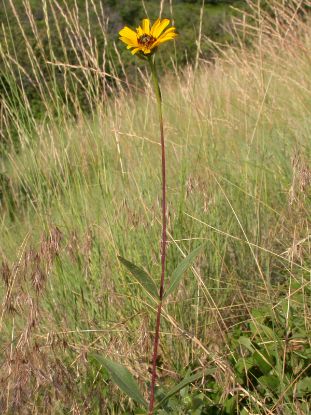
Stiff Sunflower (Helianthus pauciflorus)
Spreads aggressively through rhizomes. But is a beautiful sunflower, great for bees, birds, and butterflies so would be a good addition to a larger, wild garden.
Out of stock
$6.25
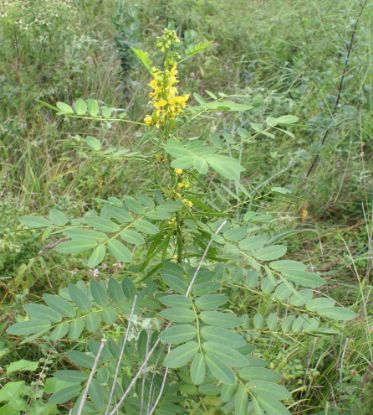
Sulphur Pea (Senna marilandica)
Great wildlife plant for the back of your planting. May reseed aggressively, but seeds are good for wildlife. Large and interesting form. Host plant for some butterfly species, and provides nectar for hummingbirds.
Limited quantity
$6.25
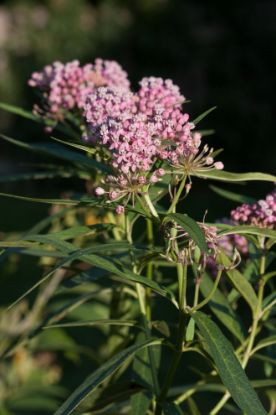
Swamp Milkweed (Asclepias incarnata)
This milkweed is for your rain garden; can take wet and average conditions. Also attracts hummingbirds. Fragrant.
Limited quantity
$6.25
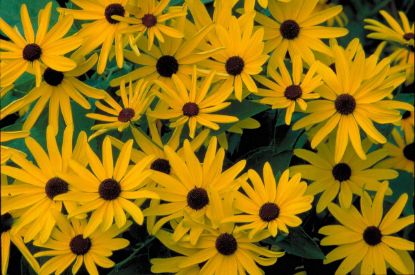
Sweet Coneflower (Rudbeckia subtomentosa)
A taller, perennial black-eyed Susan that will persist longer than the R. hirta, under ideal growing conditions. Has a sweet smell, hints the common name.
In stock
$6.25
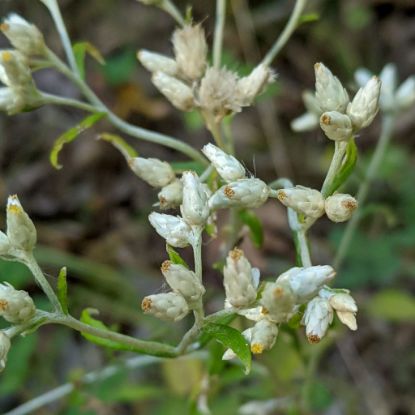
Sweet Everlasting (Pseudognaphalium obtusifolium)
Annual. A wonderful smelling plant (we think it smells like maple syrup). Beautiful in all stages and seasons (late fall/early winter is Tracy's favorite form). Also called rabbit tobacco.
Limited quantity
$6.25
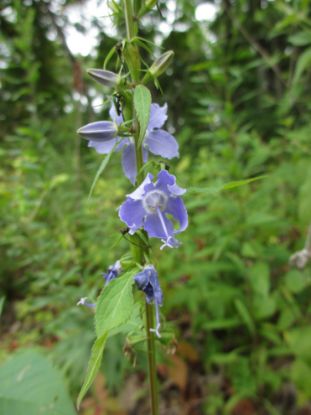
Tall Bellflower (Campanulastrum americana)
Annual/biennial, so allow to reseed. Best in a part shade, moist area. Can deadhead for additional blooms. Bumblebees and other long-tongued bees are the primary pollinators.
Out of stock
$6.25