Filter by attributes
Wildflowers
Sort by
Display
per page
View as
209 products found
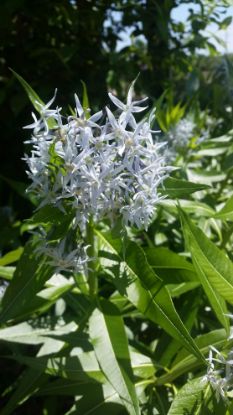
Shining Blue Star (Amsonia illustris)
Great texture for the garden. Stays more compact in full sun conditions. May be cut back after blooming or groomed into a short hedge. Prefers moist sites but also grows in rocky sites.
In stock
$6.25
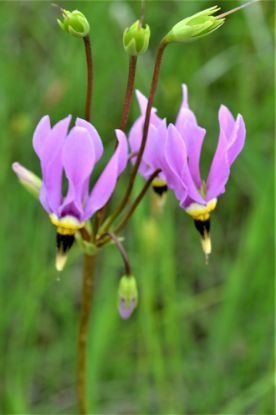
Shooting Star (Primula meadia)
Very interesting flowers ranging in color from white to purple; an early source of pollen for bees (mostly bumblebees). The plant disappears in summer, but will return again the following spring. Can be difficult to establish.
Currently not available
$6.25
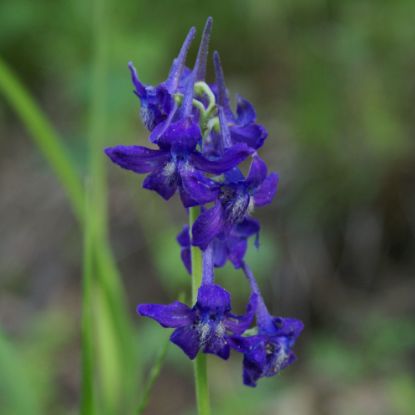
Short Spring Larkspur (Delphinium tricorne)
A spring ephemeral; rises and blooms quickly in spring, then disappears. Prefers rich, well-drained soil and afternoon shade from heat. Foliage poisonous to mammals.
Currently not available
$6.25
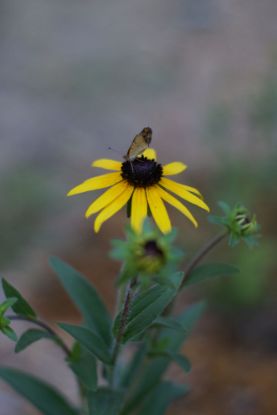
Showy (Orange) Coneflower (Rudbeckia fulgida var. sullivantii)
Remove spent blooms to extend the blooming season. Colony-forming.
In stock
$6.25
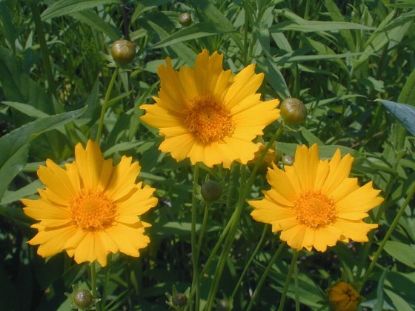
Showy Coreopsis (Coreopsis grandiflora)
Similar to C. lanceolata, but leaves not as dense and flowers a bit smaller. Good in a hot, dry area. Deadhead for persistent blooms.
In stock
$6.25
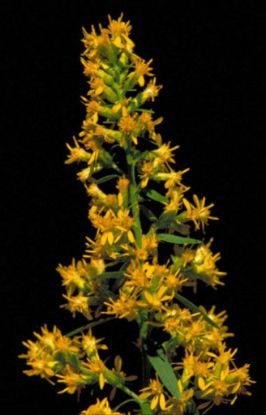
Showy Goldenrod (Solidago speciosa)
A study in KC showed that Solidago is one of the plant genera in our area that attracts the largest number of different bee species. This goldenrod has large clusters of flowers that stand upright versus arching. Also attracts lots of beetles.
Limited quantity
$6.25
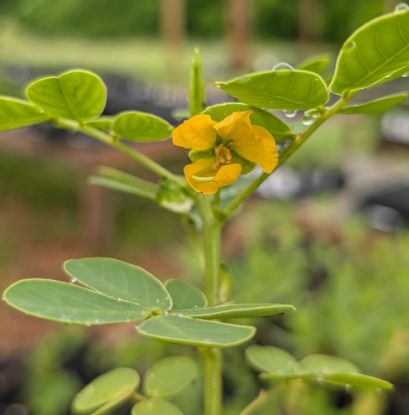
Sicklepod (Senna obtusifolia)
Annual. Hosts several species of sulfur butterflies. Attracts bumblebees as well as several other bees.
Currently not available
$6.25
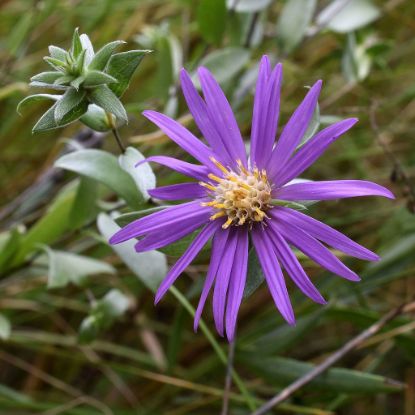
Silky Aster (Symphyotrichum sericeum)
A nice choice for a shorter aster and it can tolerate a decent amount of shade. Supports lots of insects.
Out of stock
$6.25
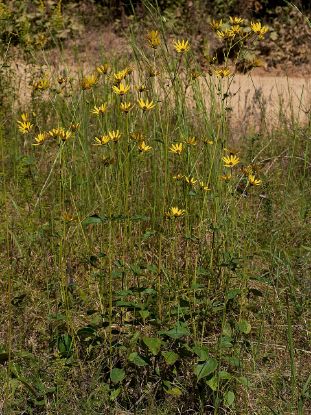
Silphium Sunflower (Helianthus silphioides)
Native to the Ozarks, this sunflower stands tall on mostly leafless stalks above large basal leaves. Sunflowers attract lots of pollinators to their flowers and birds to their developed seeds.
In stock
$6.25
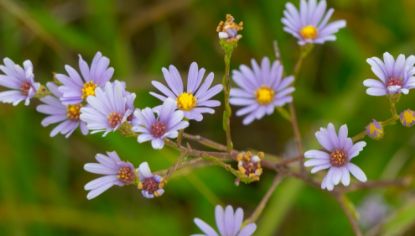
Sky Blue Aster (Symphyotrichum oolentangiense)
A shorter aster, but a bit spindly. A study in KC showed that Symphyotrichum is one of the plant genera in our area that attracts the largest number of different bee species.
In stock
$6.25
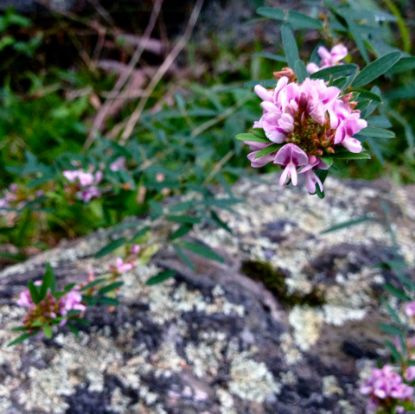
Slender Lespedeza (Lespedeza virginica)
A cute little pea flower. Better massed together to make a statement. Great wildlife benefits for bees, butterflies, birds, and mammels.
Limited quantity
$6.25
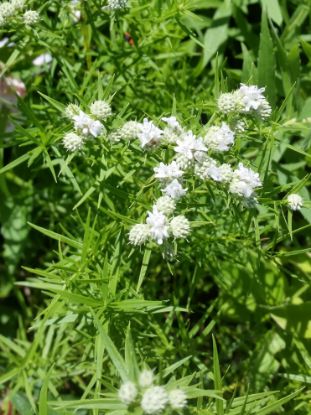
Slender Mountain Mint (Pycnanthemum tenuifolium)
Pollinators love this plant! Lovely mint fragrance. Beautiful texture. Spreads slowly by roots and seeds; not as aggressive as most mints. A study in KC showed that Pycnanthemum is one of the plant genera in our area that attracts the largest number of different bee species.
In stock
$6.25
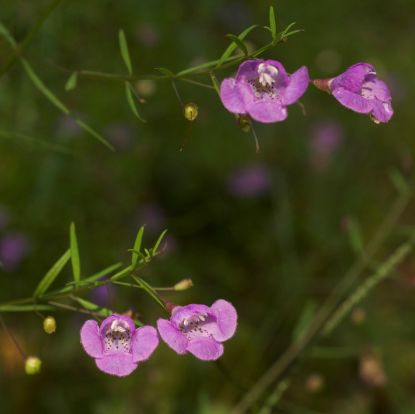
Slenderleaf False Foxglove (Agalinis tenuifolia)
An annual that readily self-seeds in disturbed soils. Host of common buckeye butterfly. Hemiparasitic: this plant feeds of the roots of other plants and therefore should be planted among other species.
Out of stock
$18.00
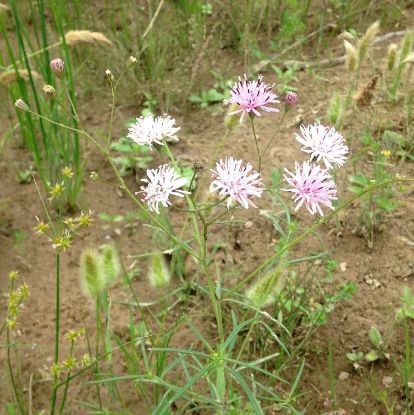
Small Palafoxia (Palafoxia callosa)
Annual from southern MO glades. Likes it dry and sunny. Hosts Bordered Patch and Dainty Sulphur butterflies and attracts other butterflies.
Limited quantity
From $6.25
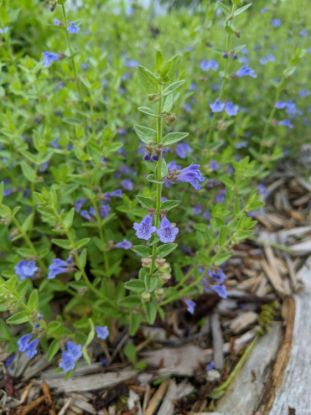
Small Skullcap (Scutellaria parvula)
Beautiful, short structure and colorful leaves make this plant a great choice for formal garden borders.
Limited quantity
From $6.25